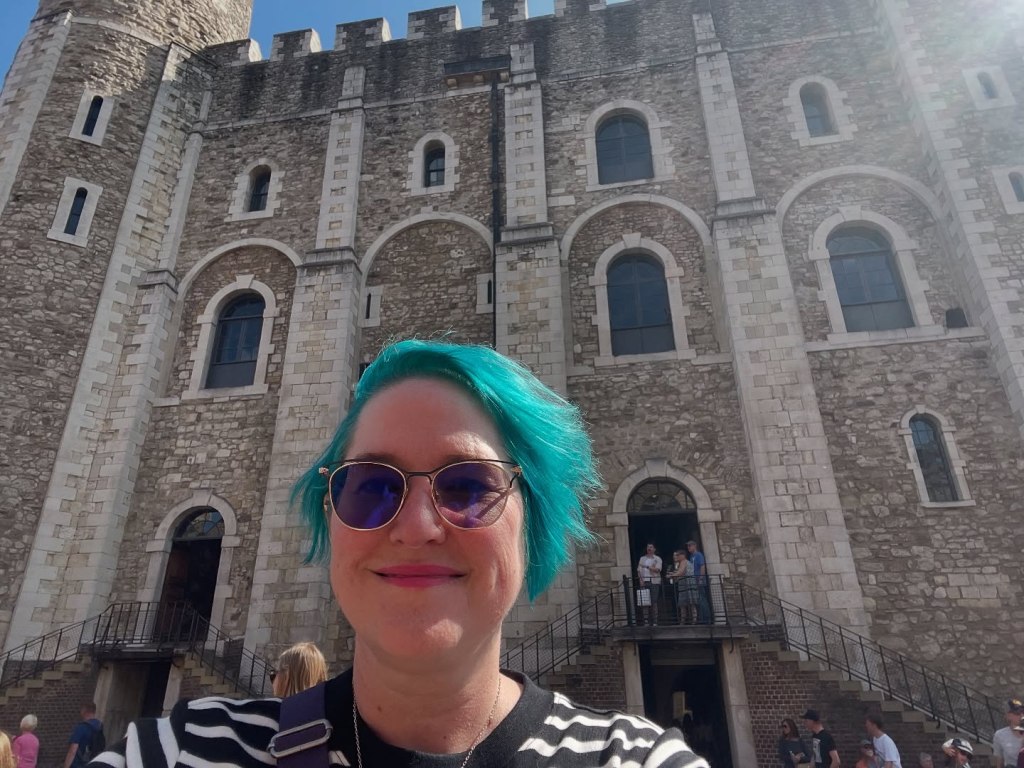
I knew that this third day of our trip would need to be something that excited Kensington. No boring art galleries. No niche historical stuff only interesting to me. A bridge with towers you can climb and then walk across glass while hovering over the actual bridge with cars and buses and people–yes! A famous site of murder and executions–yes! Seeing the ravens and the crown jewels–yes! I’m such a good auntie. 🙂 Gotta get ’em interested in the right things when they’re young!
Day 3 was Tower of London and Tower Bridge day! Lacy and I had been to the Tower of London in 2007, but we had not climbed the Tower Bridge towers before. Of course, Kensington had not been to either site. So we made plans to go to Tower Bridge in the morning and the Tower of London in the afternoon on July 8.
To begin: Tower Bridge. You know Tower Bridge–it’s the one everyone who doesn’t know anything about London thinks is London Bridge. Noooo. London Bridge is boring. Tower Bridge is exciting! Why’s it called Tower Bridge? Duh. It’s the bridge next to the Tower of London.
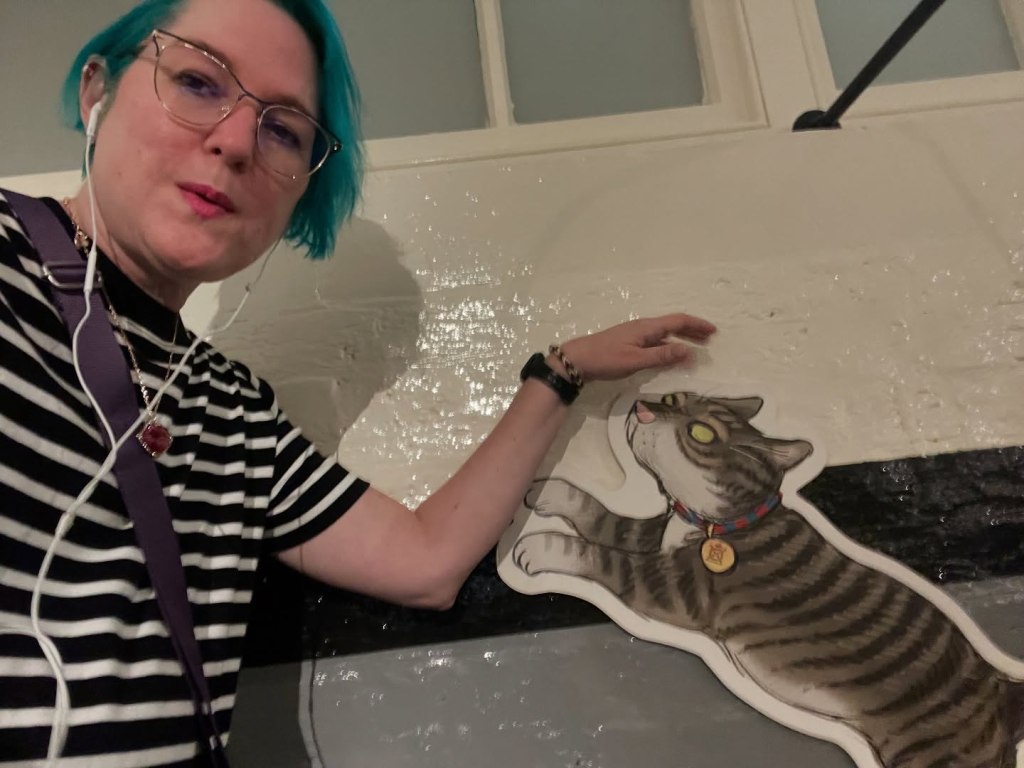
When you climb one of the Tower Bridges’ towers, you walk up 206 stairs, stopping all the while for placards, signs, and exhibit items. You can follow the Tower Bridge Cat Trail (the kiddies love this), and you can also listen to an audio tour on your phone. You learn how the bridge was built, who built it, who designed it, and a lot more. Here are just a few details.
There was a call for designs in 1884, and Sir Horace Jones and Sir John Wolfe Barry submitted the design we now know and love. Once it was approved, in 1886 construction began with divers making room in the bed of the Thames River for these massive caissons, and then over 11,000 tons of steel were used to build the towers’ framework and eventually the walkway. All of this work took 8 years to complete. At the time the bridge was considered the most sophisticated bridge in the world. It had these bascules, which is really just a fancy word for parts of a bridge that pivot; it was powered by hydraulics using steam; etc.
In 1910, the walkways, which were created to allow the public to cross the river even when the bridge was up, were closed to the public. Not until 1982 could people walk across them again. Another cool detail is that the bridge was originally painted beige and brown (Queen Victoria’s favorite colors), but in 1977 the colors were changed to blue, red, and white for Queen Elizabeth II’s silver jubilee. Another fun story: in 1952 a London bus (number 78) was driving across the bridge when the bridge was opening! The bus had to leap from one bascule to the other like Keanu and Sandra did in the film Speed! (Check out that movie poster to see what I mean.) Luckily Bus 78 was only going 12 mph.
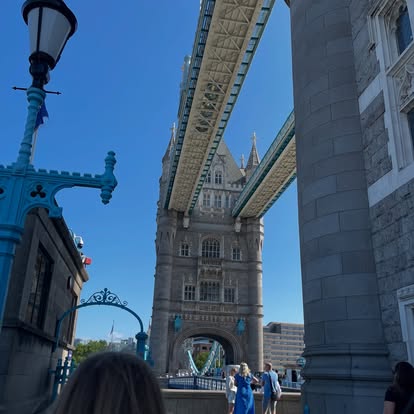
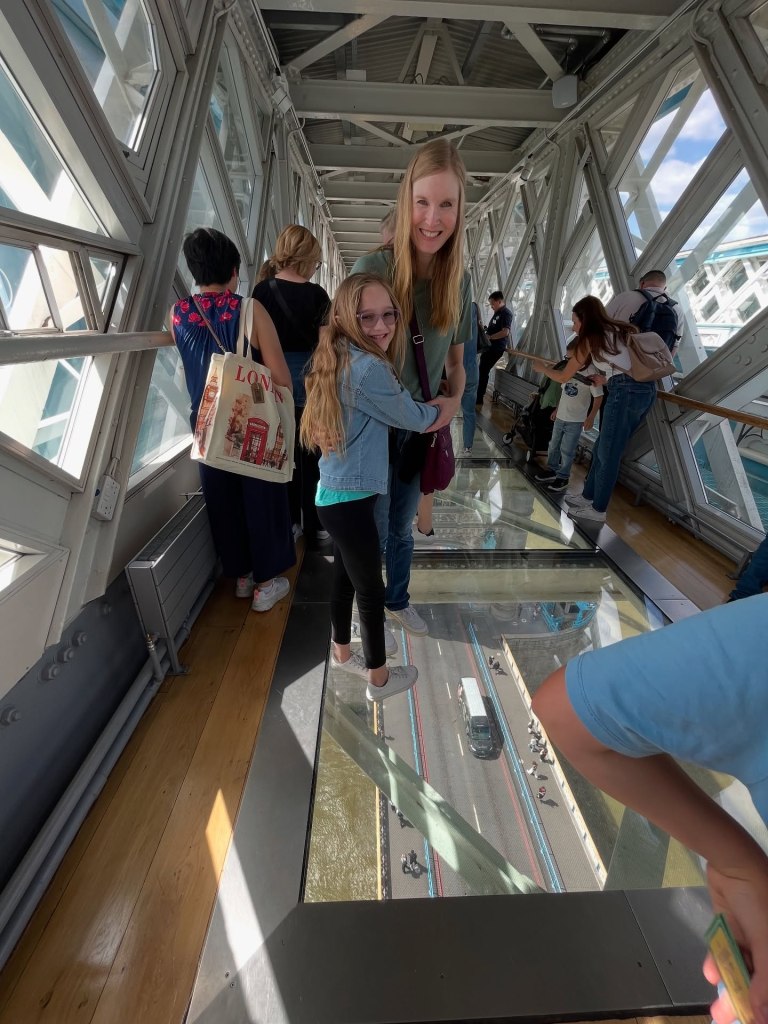
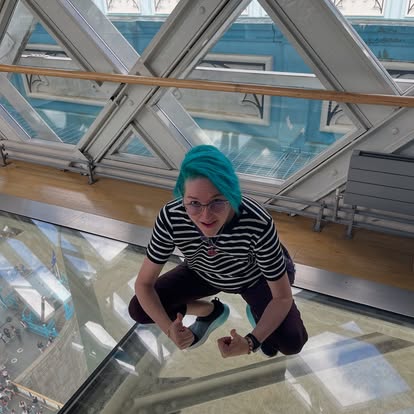
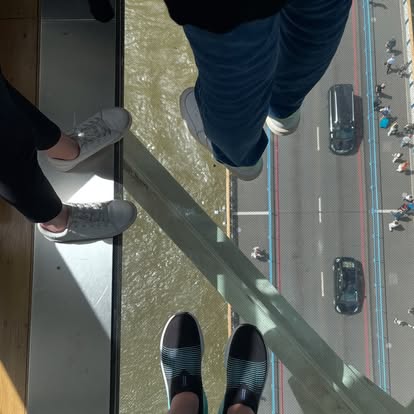
That’s all interesting and such, but learning this history is not really why people pay to climb Tower Bridge. It’s the view, and I’m not talking about the view as you look out over the Thames, but what you look at under your feet as you cross the glass floors: cars, buses, and vehicles driving over the bridge, and people walking over the bridge. Yes, it’s the glass floor that thrills people. Each glass walkway (there are two) is 42 meters above the river and 33.5 meters above the road. Each is 11.5 meters long; the glass part of the walkway has 6 panels, and each weighs 530 kg and has 5 layers (the top of which is routinely replaced). Apparently each glass panel can support the weight of 1 elephant and 2 black cabs! I wonder how they tested that?
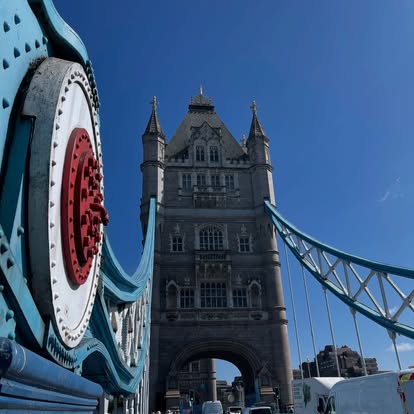
Honestly, before booking the tickets I had no idea the glass floors existed. I didn’t know anything about the bridge. But once I heard about the glass walkways I was all in! Kensington…not so much. Check out some pics below to see what it is like to visit Tower Bridge.
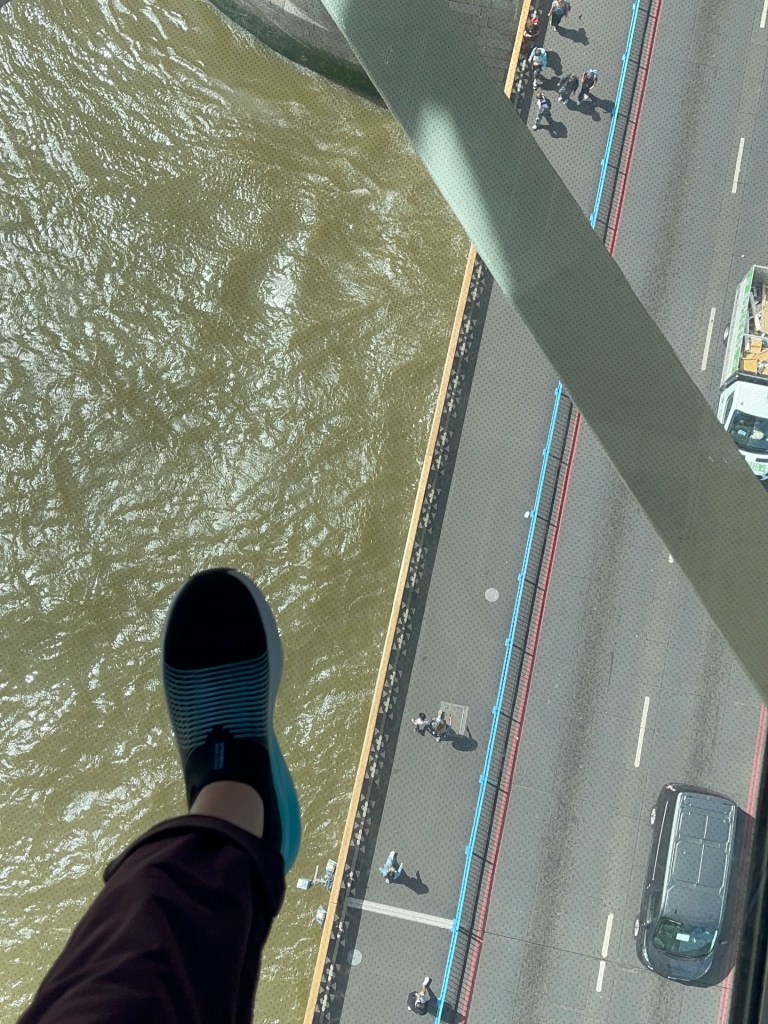
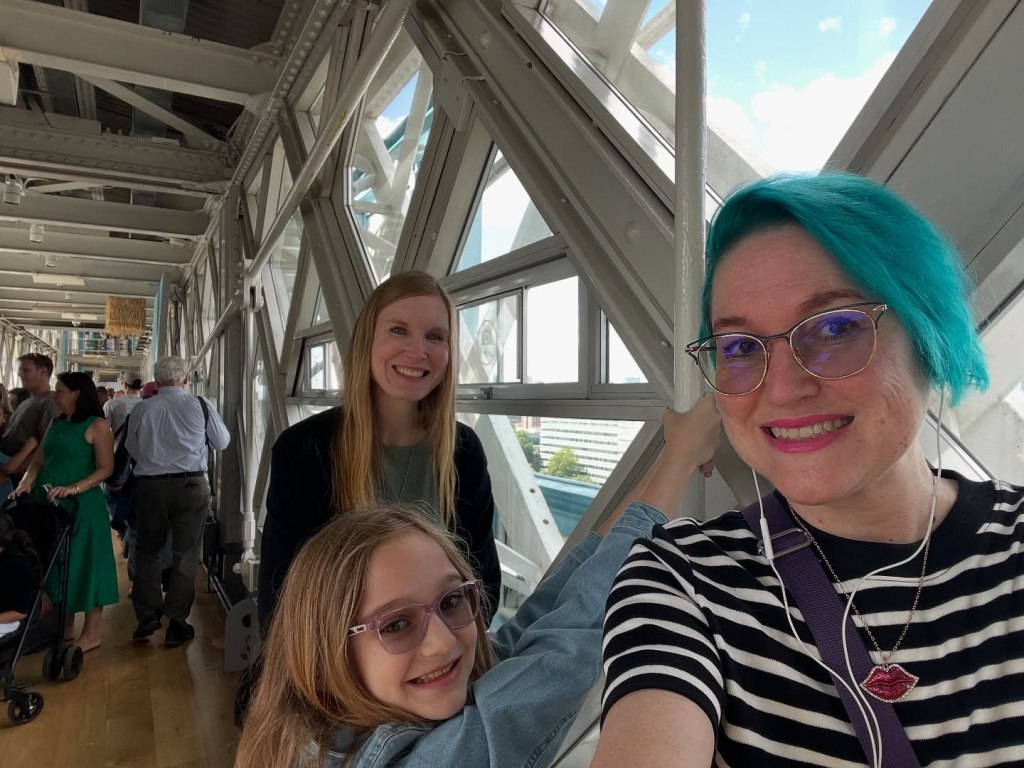
Next up: The Tower of London. The Tower of London is a big old castle in the middle of a bustling city. It’s also this weird menagerie of buildings and stories. People visit the Tower of London because it used to be royal lodgings, important people such as Anne Boleyn were executed there, important people such as Princess Elizabeth (before she was Queen Elizabeth I) were imprisoned there, two young princes went missing there, the crown jewels are there, royal armor is there, the ravens (the real guardians of the Tower) are there, and there used to be exotic animals called “royal beasts” there. Oh, the Yeoman Warders (aka Beefeaters) give tours there. I might be missing a few things, but all in all, the Tower of London is a compound dating back to the 11th century. Yeah, William the Conqueror times.
I enjoyed a few new things this second time around in visiting the Tower of London. First, our tour was led by a female Yeoman Warder. She was fantastic at storytelling.
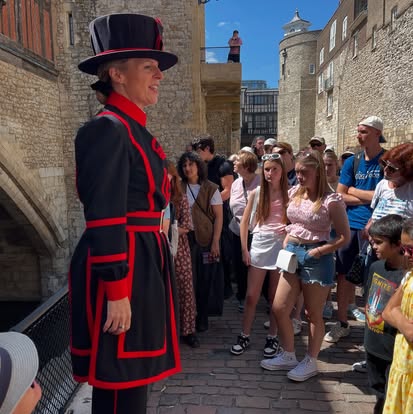
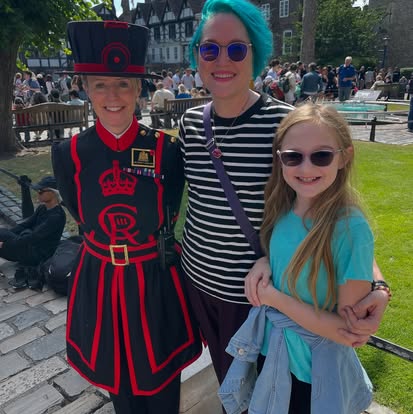
She shared with us some details about James Scott, Duke of Monmouth’s 1685 execution that I didn’t know before: there’s a story that someone painted a portrait of the dead duke because there wasn’t a painting of him available, but that’s a myth. What’s not a myth? It took many axe blows (possibly even the addition of a knife) to execute the guy.
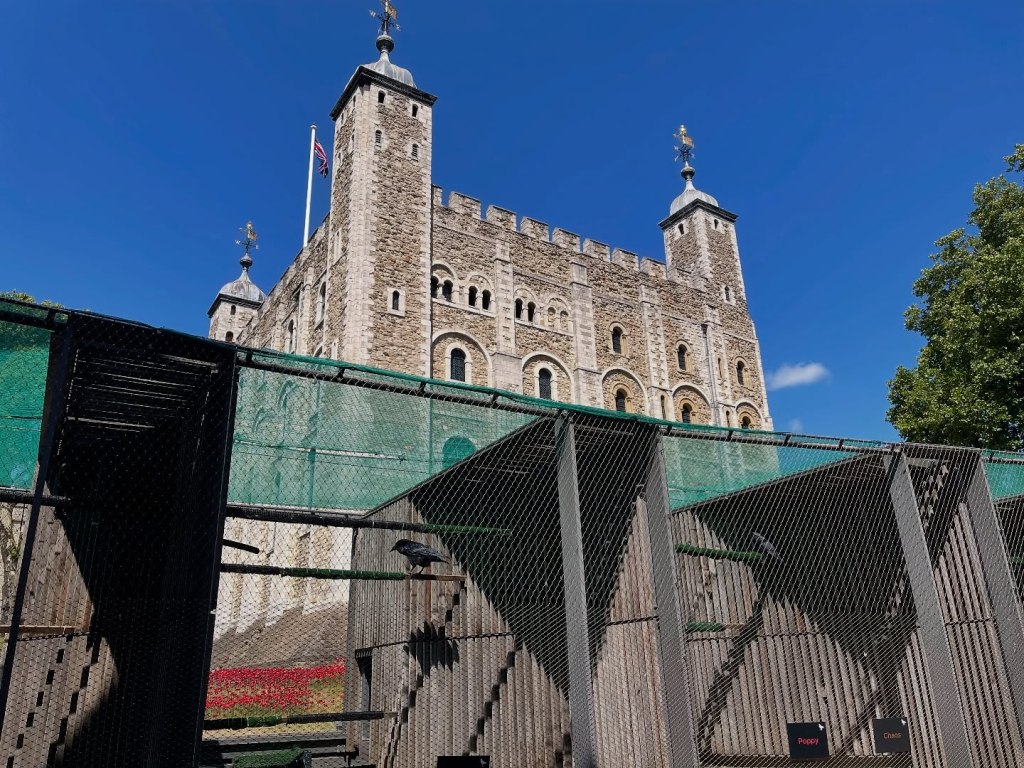
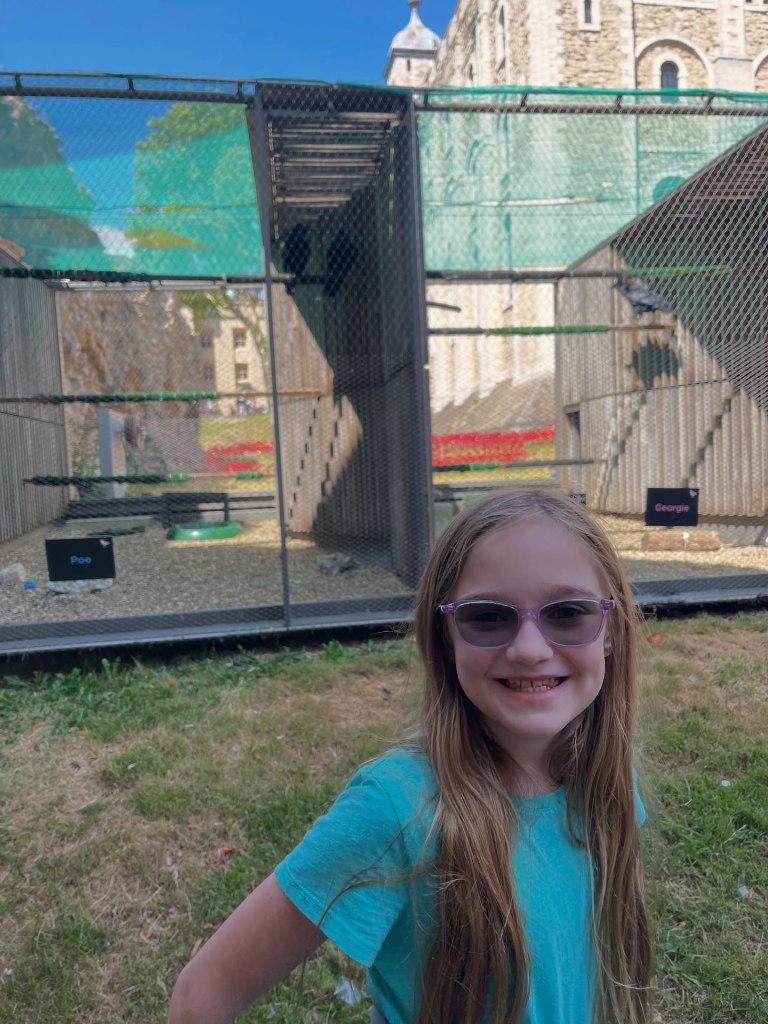
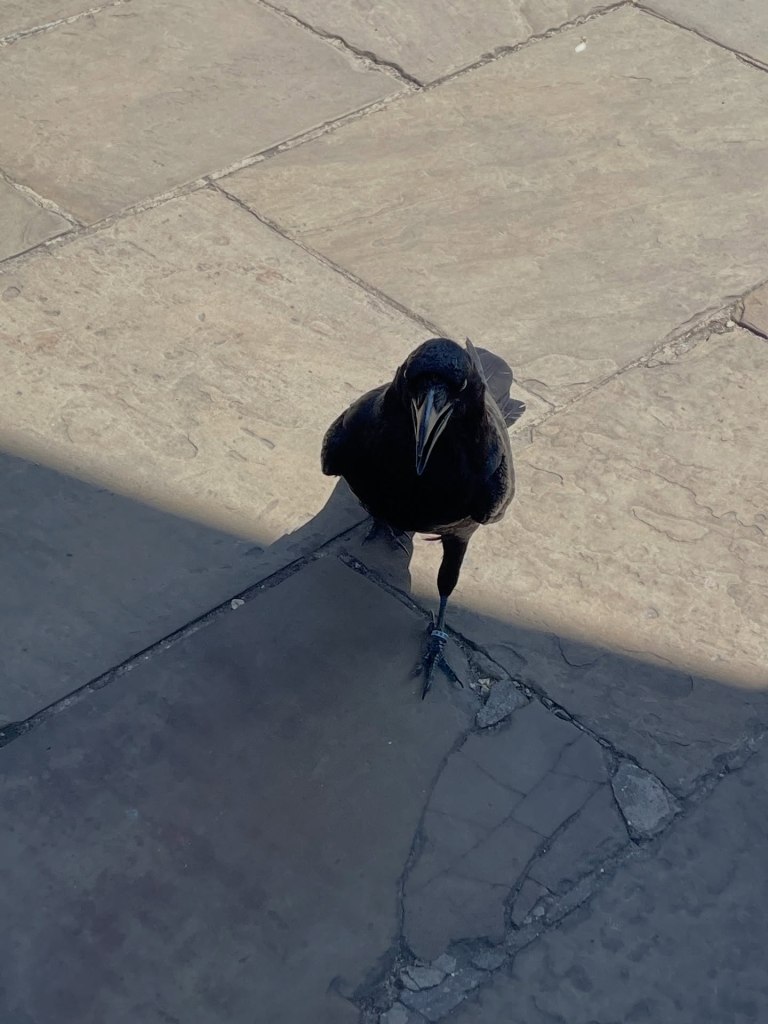
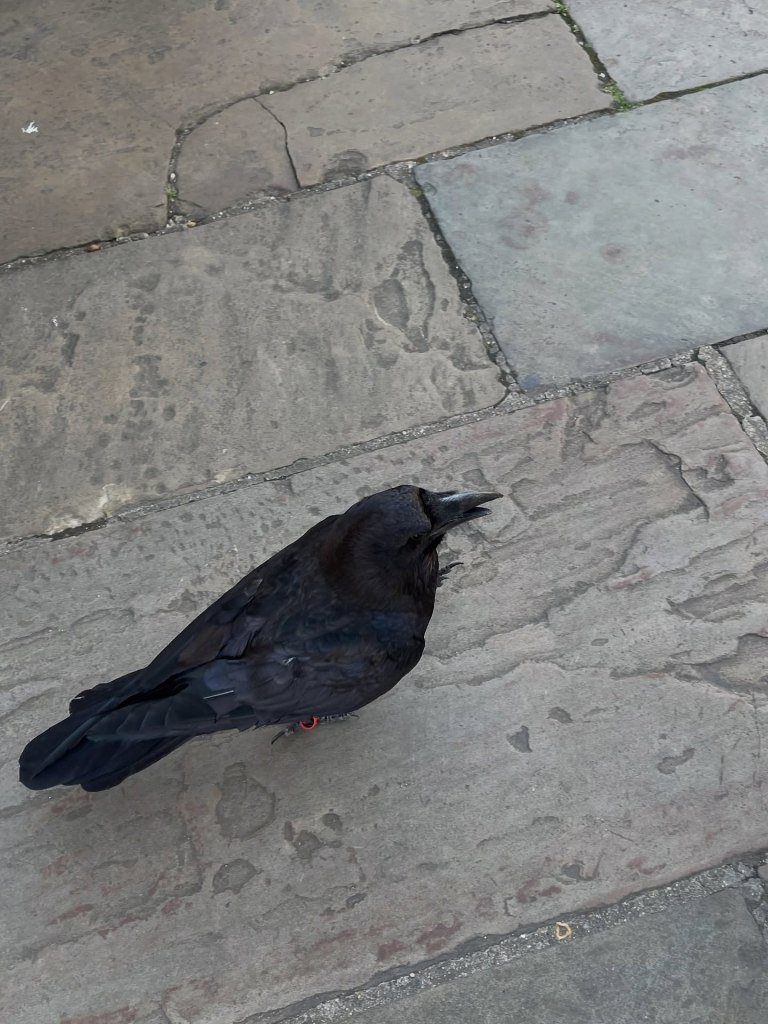
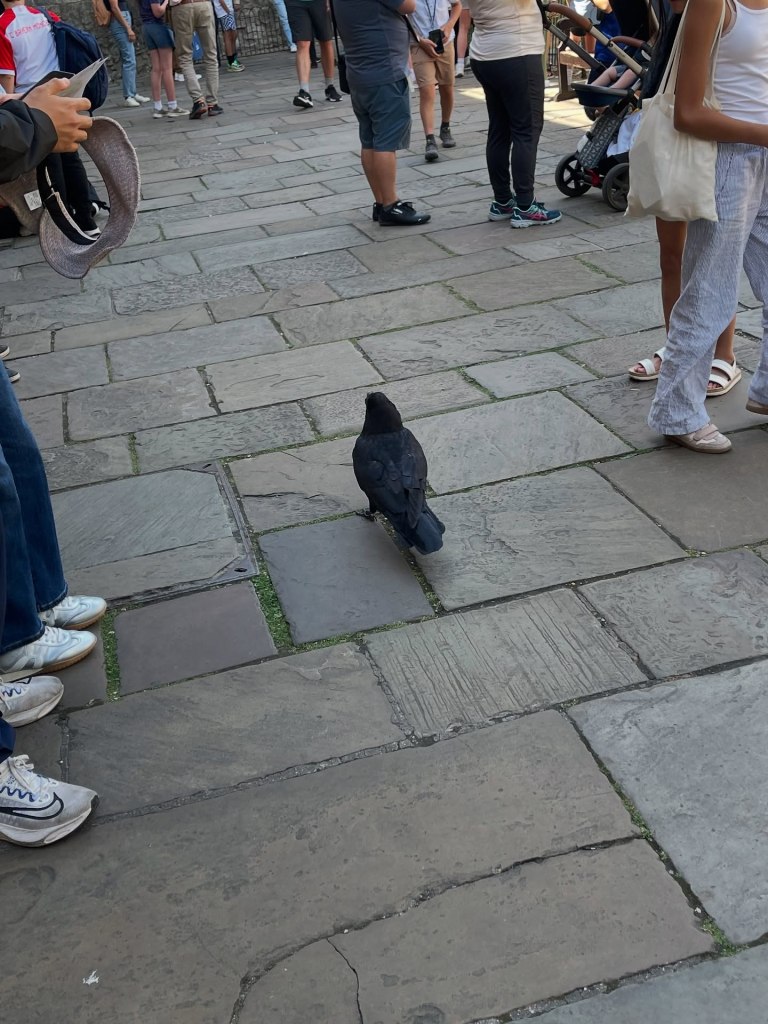
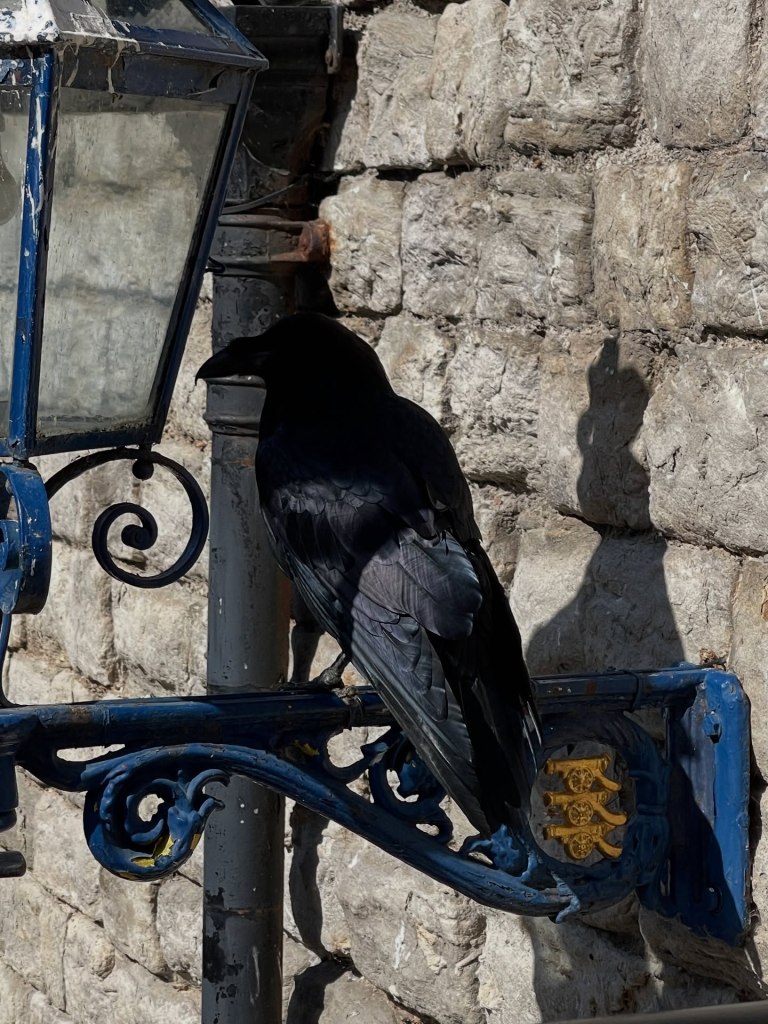
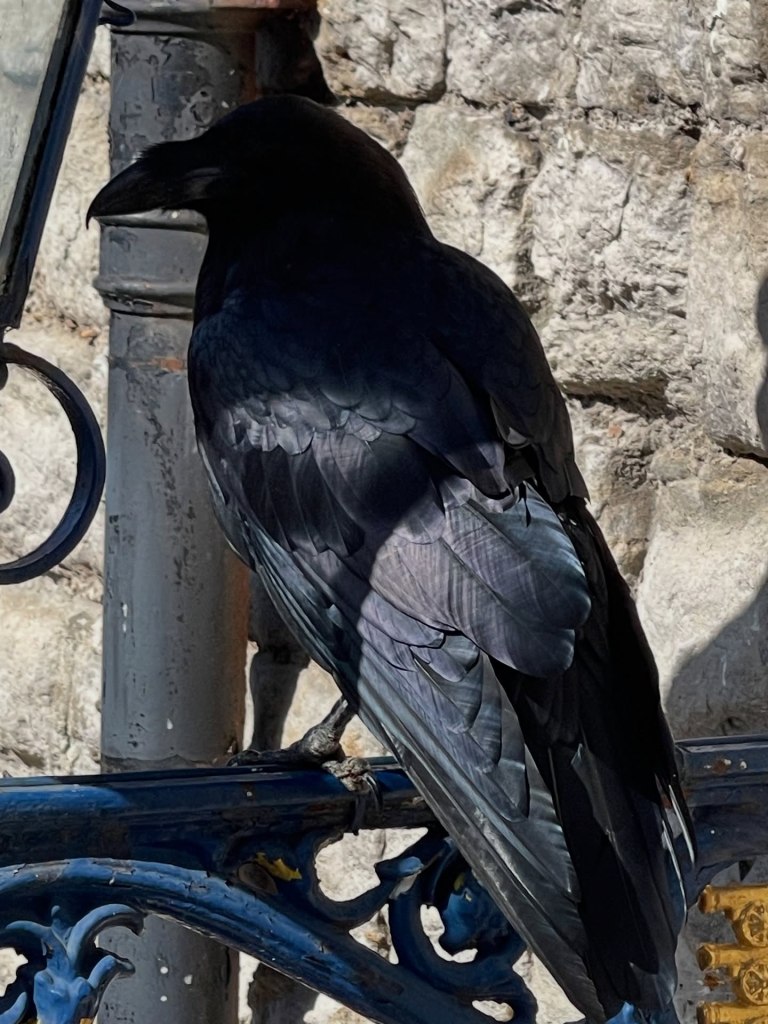
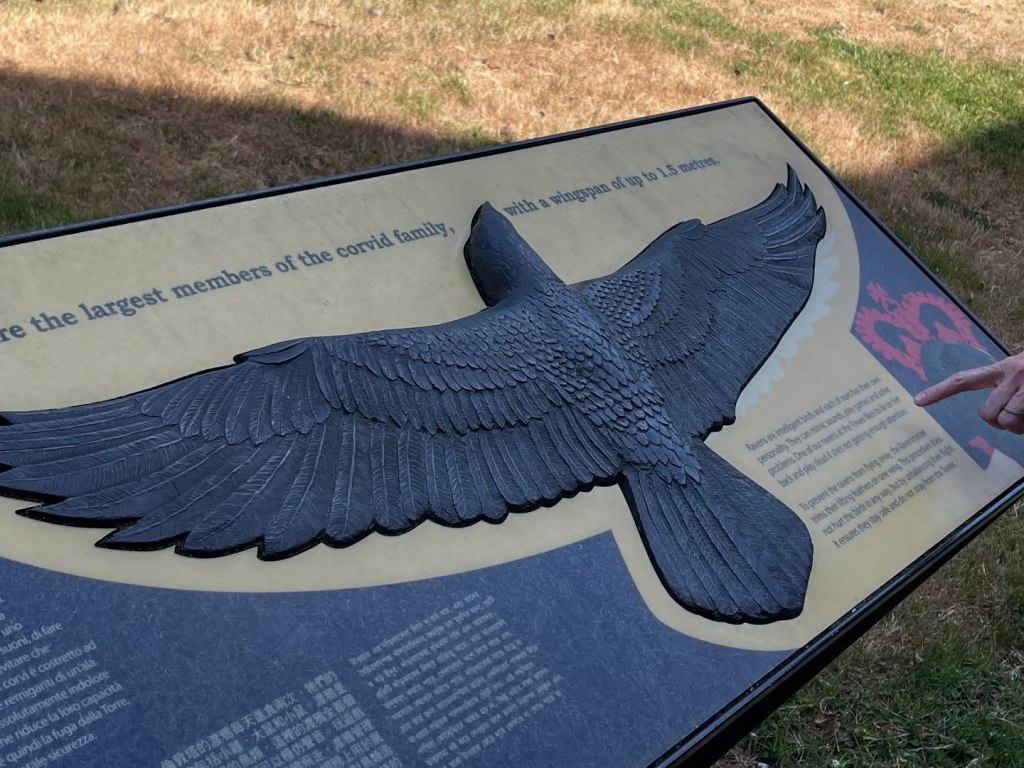
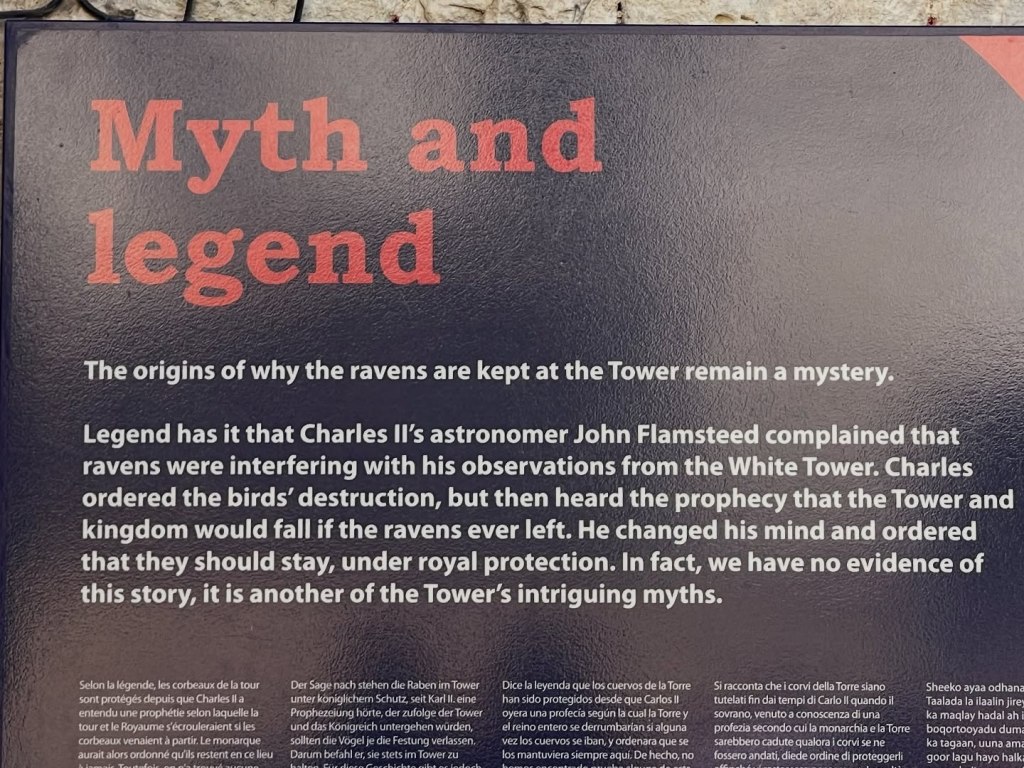
Further, I didn’t recall a raven habitat in 2007. Now there are places for the ravens to nest. From the front it looks like the ravens are caged, but the back of the cages are open so that the ravens can come and go as they like. And, yes, I enjoyed learning their names, a few being Poe and Edgar. Enjoy these pics of the ravens, which can be found walking all over the grounds.

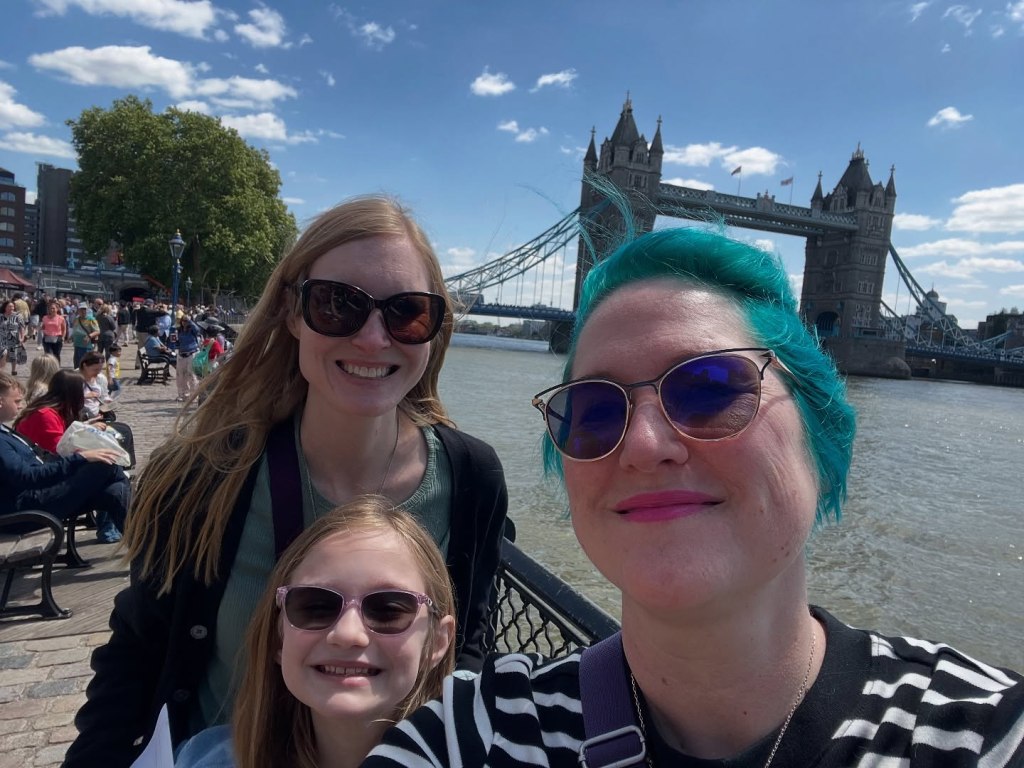
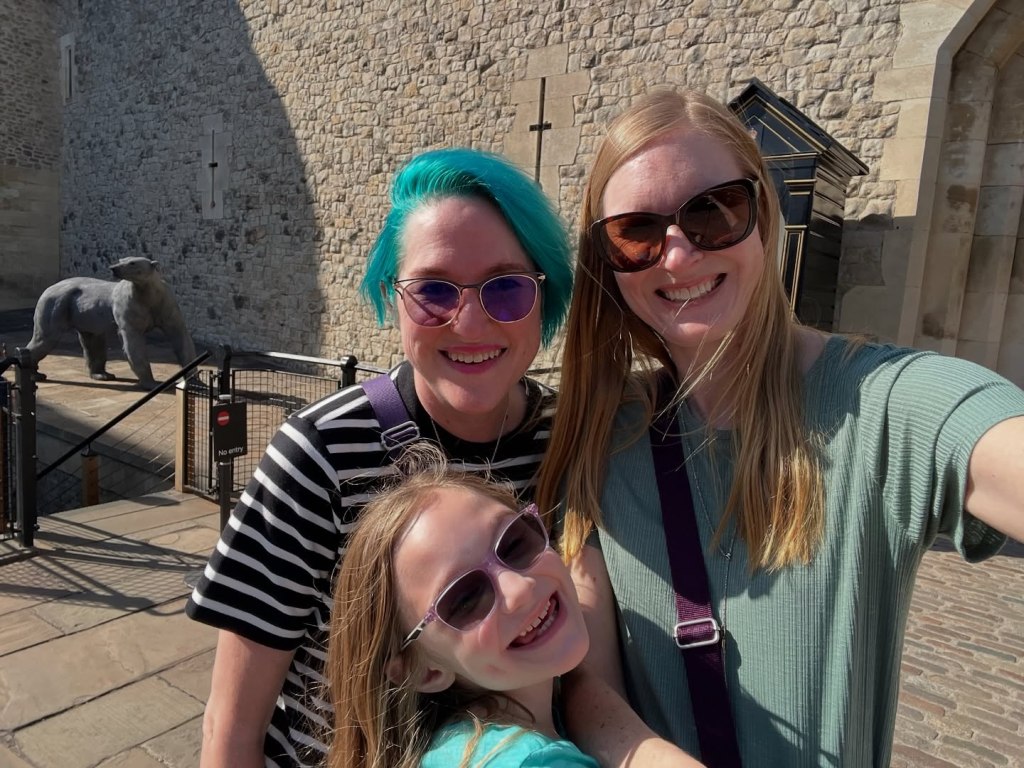
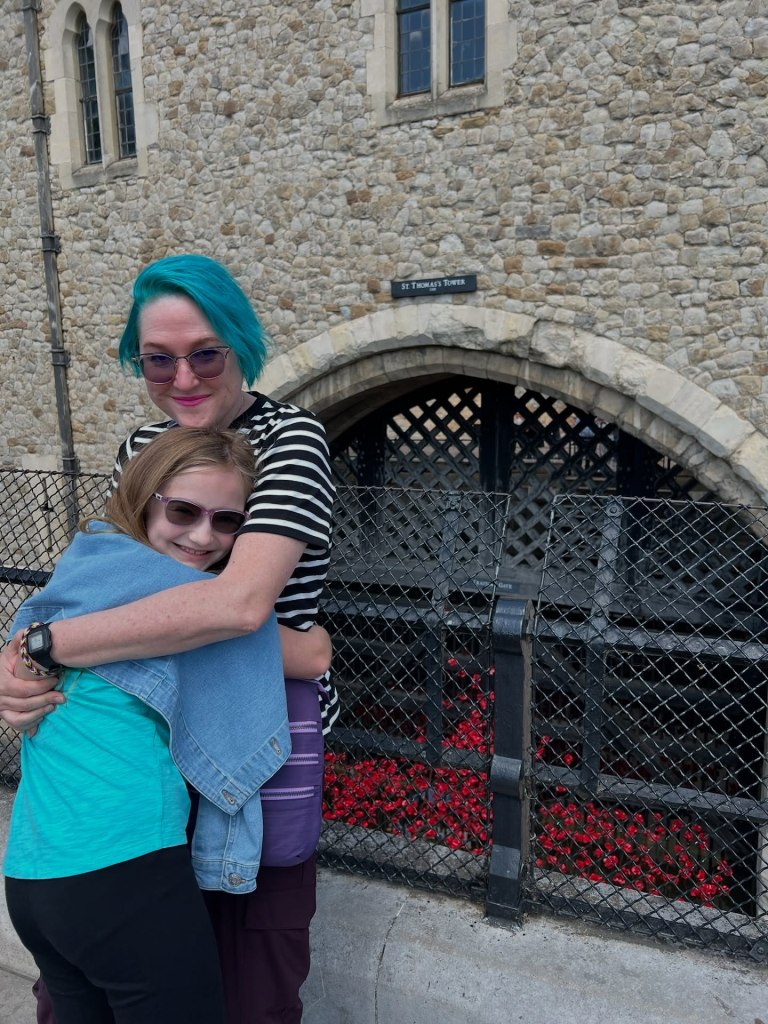
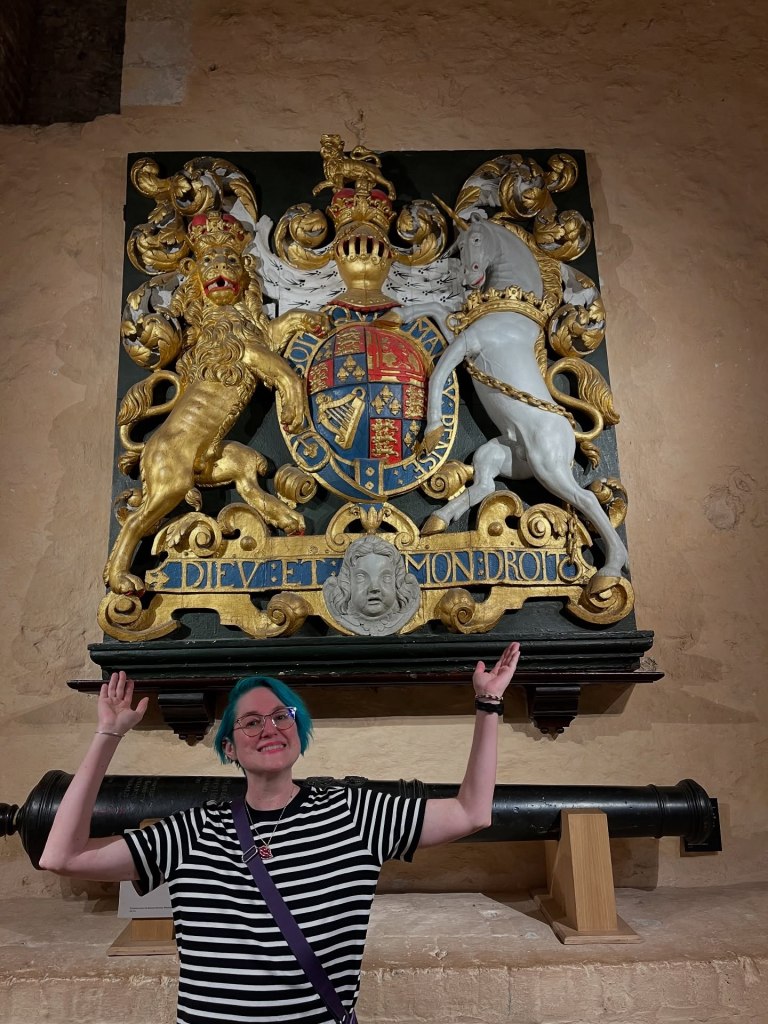
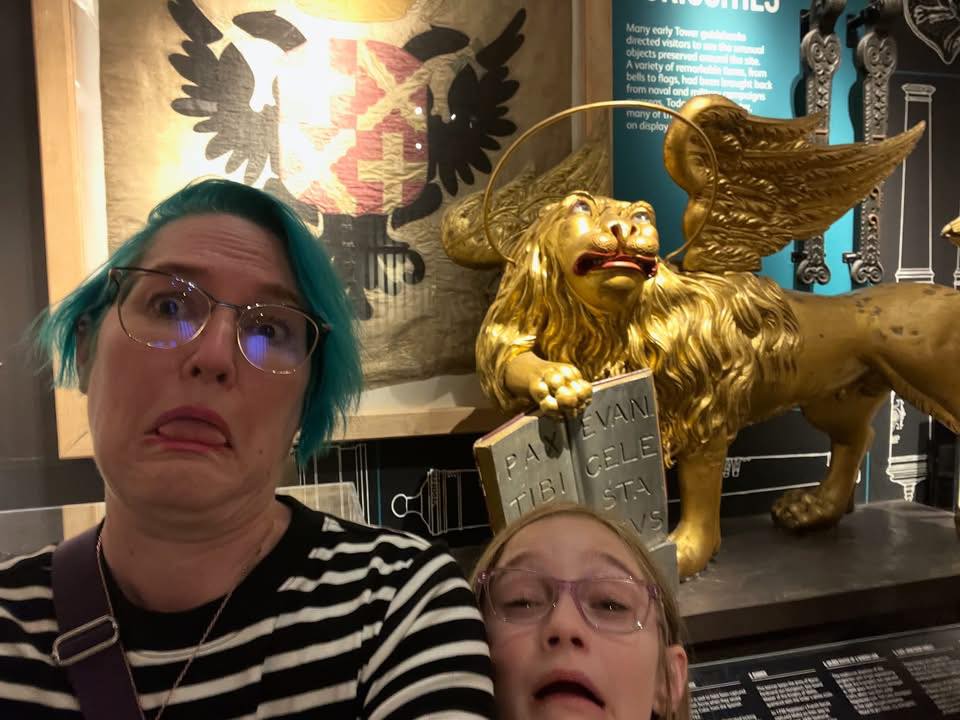
All in all, we had a fun day at these sites. If you travel to London with kids, I recommend having a Tower day. Look at these smiles!
My next blog post will be a mega-post covering our departure from London, our arrival in Southampton, some Southampton bits, and some details from Lacy and Kensington’s time without me.
Do me a favor and click like if you enjoy reading my blog posts. Thanks!
 Misty Krueger
Leave a comment